Every year, it is estimated, Two Hundred thousand people undergo hip and knee replacement surgery in the UK.
For many, the operation is life-changing. Pain is reduced, movement improves and everyday activities become possible again.
Yet surgery is only one part of the journey.
The real challenge begins afterwards.
How do you rebuild strength?
How do you regain confidence?
How do you return to the activities you love without fear of injury or setbacks?
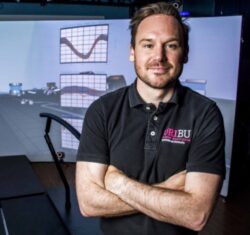
These are questions Gill Stewart explored during a recent WALX Expert Webinar with Professor Tom Wainwright, Director of the Orthopaedic Research Institute at Bournemouth University and one of the UK’s leading voices in orthopaedic rehabilitation.
His message was clear:
“Successful recovery isn’t just about the operation. It’s about helping people regain strength, confidence and trust in their bodies.”
Why Recovery Doesn’t End When You Leave Hospital
Joint replacement surgery can dramatically reduce pain, but it does not automatically restore fitness, balance or muscle strength.
In fact, many people enter surgery having already reduced their activity levels due to pain and mobility limitations.
This often means:
- Reduced leg strength
- Poor balance
- Loss of confidence
- Decreased fitness
- Altered walking patterns
Without structured rehabilitation, these issues can remain long after the joint itself has healed.
The Importance of Strength and Balance
Research consistently shows that muscle strength plays a critical role in recovery outcomes.
Strong muscles help support and protect the new joint.
They improve stability.
They reduce the risk of falls.
They also help people return to activities more quickly.
Balance is equally important.
Many people unconsciously change the way they move before surgery because of pain. These altered movement patterns can persist afterwards unless they are actively retrained.
A good rehabilitation programme should therefore focus on:
- Strength
- Balance
- Posture
- Confidence
- Functional movement
Not simply walking further.
Why Walking Is One of the Best Forms of Rehabilitation
Walking remains one of the most accessible and effective activities after joint replacement.
It helps:
- Improve circulation
- Build endurance
- Restore natural movement patterns
- Improve confidence
- Support mental wellbeing
The challenge is ensuring people walk well.
Many people develop compensatory habits before surgery that need to be corrected afterwards.
This is where expert-led programmes can make a significant difference.
How Total Body Walking® Can Support Recovery
Total Body Walking® uses specially designed walking poles to encourage upright posture, balance and whole-body movement.
For many people recovering from surgery, the poles provide:
- Additional confidence
- Greater stability
- Improved posture
- Reduced joint loading
- Enhanced muscle activation
Unlike traditional walking, Total Body Walking® encourages active use of the upper body, helping participants rebuild strength throughout the body while remaining active outdoors.
Many participants also value the social aspect of group sessions, which can help maintain motivation and consistency during recovery.
Community Support Matters
One of the key themes discussed by Professor Wainwright was the importance of ongoing support beyond formal physiotherapy.
Recovery does not stop after six weeks.
Nor does it stop when hospital appointments end.
Long-term success often depends on finding sustainable activities that people genuinely enjoy and continue doing.
Community-based programmes can bridge the gap between clinical rehabilitation and lifelong physical activity.
They provide:
- Structure
- Progression
- Accountability
- Social support
- Confidence-building opportunities
Watch the Full Webinar
In this WALX Expert Webinar, Gill Stewart speaks with Professor Tom Wainwright about:
- Recovery after hip replacement surgery
- Knee replacement rehabilitation
- Strength and balance training
- The role of walking in recovery
- Community-based rehabilitation programmes
- Long-term physical activity after surgery
[Embed Webinar Video Here]
Could Total Body Walking® Help You?
Whether you’re preparing for surgery, currently recovering, or looking for a safe way to stay active after a joint replacement, Total Body Walking® may provide an effective pathway back to confident movement.
Find a local session, attend a Discovery Walk or speak with Gill about rehabilitation pathways and community programmes.
Because successful recovery isn’t just about replacing a joint.
It’s about rebuilding the confidence to use it.


