
By Gill Stewart at

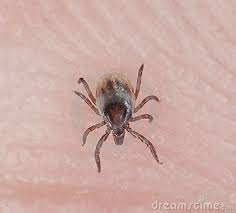 Ticks are out in force now and they are beginning to gather in areas not typically associated with them. Whilst they are usually found in wooded or bracken filled areas where Deer roam, they are increasingly populating grassy areas and even parkland.
They will wait for something or somebody to brush past and once they land on the potential host they will often crawl into an area where they will be least noticed! Once they attach and start to feast they are difficult to remove and can spread a nasty infection called Lyme Disease.
Not all tick bites will lead to this but it is important to be aware of the risks and take action quickly if you are bitten and feel unwell or have inflammation around the bite.
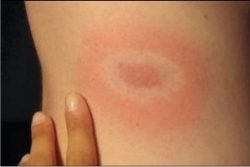 If the area around a bite becomes red, angry and itchy or a ring forms around it – like a bullseye, seek medical attention as it is possible to treat the infection with antibiotics if you act early enough. Lyme Disease can attack internal organs and cause serious illness if left untreated.
Prevention is the best policy but if you do find a tick, remove as soon as possible with the right tools taking care to not leave any of it behind.
PREVENTING TICKETS BITES
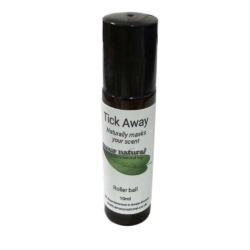 There are simple steps you can take to help avoid picking up a tick bite. Here are the WALX top ‘tick tips’:
WALX activities are so fun and good for you that we can’t let a few ticks put us off but we can make sure we’re all ‘tick aware’!
 HOW TO REMOVE A TICK
These videos by Lyme Disease UK are really useful
This animation explains more about Lyme disease – Click HERE
This video shows you how to remove a tick if you find one – Click HERE
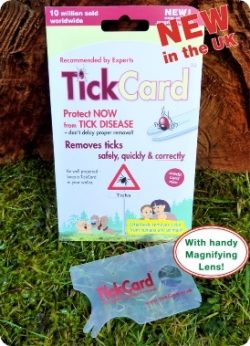
Why not carry a WALX tick card with you wherever you go – these credit card sized tick removers fit easily into a wallet or waist pack and have notches on that are sized for all types of ticks.
They even contain a magnifier to help you make sure that tiny dot is actually a tick! Click HERE to buy a tick card which also contains lots of info to help you BE TICK AWARE