
By Gill Stewart at

These days walkers are getting used to managing more extreme weather events, diversions due to floods and shadier routes due to excessive heat but the latter is now leading to a higher risk of wild fires and here at WALX we take that very seriously.
Our HQ in Dorset is in an area famous for its unique coastal heathland which is a rare habitat but also prone to fires. We are also lucky enough to have wonderful woodland and the area attracts a lot of visitors all of which increases the risk. Sadly many of our other groups are also walking in areas that have already seen wild fires this Summer so we thought it was time to provide some tips on how to prevent fires and what to do if one occurs when you are out walking.
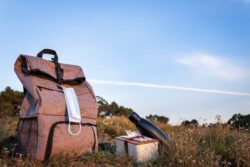 Prevention is simple – while it is so tinder dry do not use stoves, BBQs or fires in high risk areas. pack a picnic not a barbecue if you want hot food or drinks, they are some great hot n cold flasks around – even great for hot dogs!
Avoid smoking and be aware of bright shiny objects, bottles, compasses or mirrors that might reflect sunlight onto dry foliage. Pick up these high risk items that others may have discarded if you can.
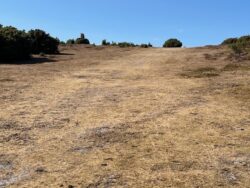
What is less simple is how to manage the situation if you come across a wild fire when out walking. This image shows the parched heathland in Dorset which is full of walkers and scarilyclose to an area destroyed by fire during the last heatwave!
 Tip 1
Tip 1CALL Emergency services and take a what3words location of your position and if possible the direction of the fire from your position – i.e is it north or you or towards a known place or road. Whilst it is hard to establish, it could help to estimate how far away it is plus the height and direction of the smoke plume – all of this can help both the emergency services and YOU
Check the wind direction and watch the smoke plume to see if it is coming towards you. A fire that is being fanned by wind will move faster than you can walk/run so this is VERY important. See tip 8 for what to do if it is approaching fast
If you can get out of the area safely, do so immediately. Wind direction can change and the Emergency services need to be able to concentrate on the fire and not people who may be at risk. If you intend to walk in a high risk area take a minute to check routes and the terrain with fire in mind before you head out.
 Tip 4
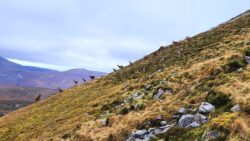
Tip 4Think about the terrain you are in and how fires travel. Fire travels uphill much faster than downhill as the vegatation is closer the flames and often the updraft is fuelling the fire. Head downhill away from the fires wherever possible but avoid walking along steep sided gullies.
Look for safer terrain – flat areas with less vegetation are preferable and ideally rocky or stony terrain or tracks. Use a map to check contours or google earth if you have a signal. Head for a body of water if in a safe direction but be aware of radiant heat so if you can submerge yourself and be behind a rock or similar it is best.
If you can see the area the fire started in and the direction it is travelling, it is safer to head for the black burnt areas behind it as there is no longer fuel there.
 Tip 7
Tip 7Cover your face – even if the fire is not close, smoke can irritate the lungs and is of course especially dangerous for those with pre existing conditions like Asthma. A dampened neck buff or cool towel is ideal and as they have multiple other uses – we never walk without them!
See the WALX neck sleeve HERE
If escape is not possible, seek refuge if you are in the direct path of a fire – Head for non flammable buildings or structures and stay low at all times. If none are nearby, lay on the ground in a rocky area if possible, making a hole for your face if you can. Cover yourself with wet towels or similar – leaving space to breath the cleaner air at ground level. Give a what3words location to emergency services and if you have something bright to help them find you, it can help if they are using search and rescue aircraft.
Above all – stay in tune with the weather and conditions before heading out, Pack water and safety essentials and if fires have been burning in an area, stay well clear as pockets could re ignite.
Best of all – Help fire crews by avoiding high risk areas and keeping all tracks and paths clear for access by parking sensibly too.